
5 Warning Signs Your Garage Door Needs Replacing for Safety
Cracked panels, sagging sections, slow response and rust are more than small issues. They can be signs your garage door is becoming unsafe and may need replacing.
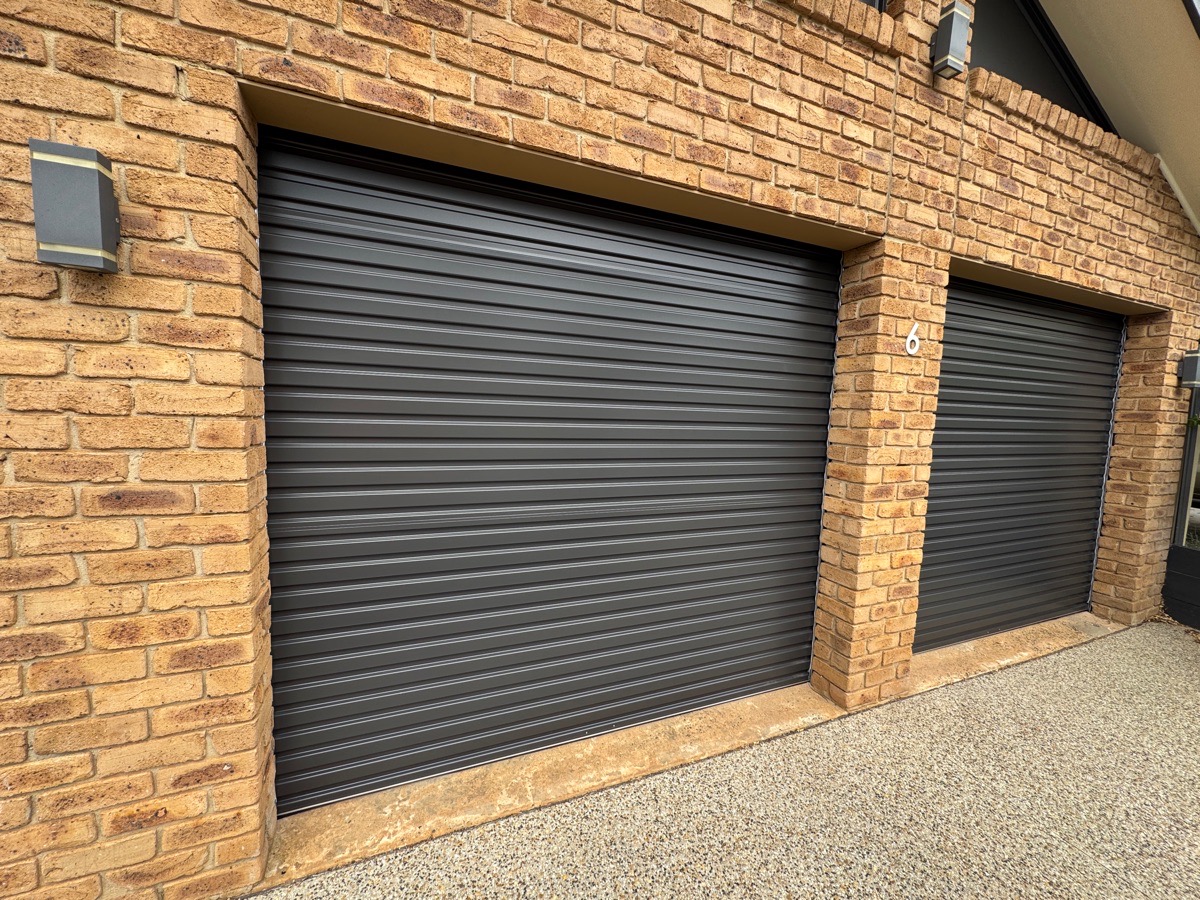
Your garage door is one of the largest moving parts of your home. When it starts to fail, the issue is not only about appearance or convenience. An ageing or damaged garage door can become a safety risk for your family, pets, vehicles and property.
Many homeowners wait until the door completely stops working before taking action. The problem is that garage doors usually show warning signs long before a full breakdown. Spotting these signs early can help you avoid sudden failures, expensive emergency repairs and potential injury.
In this article
Cracked or Splitting Panels
Cracked panels may look like a minor cosmetic problem, but they can point to deeper structural weakness. Once the material starts splitting, the door may no longer carry weight evenly across its sections.
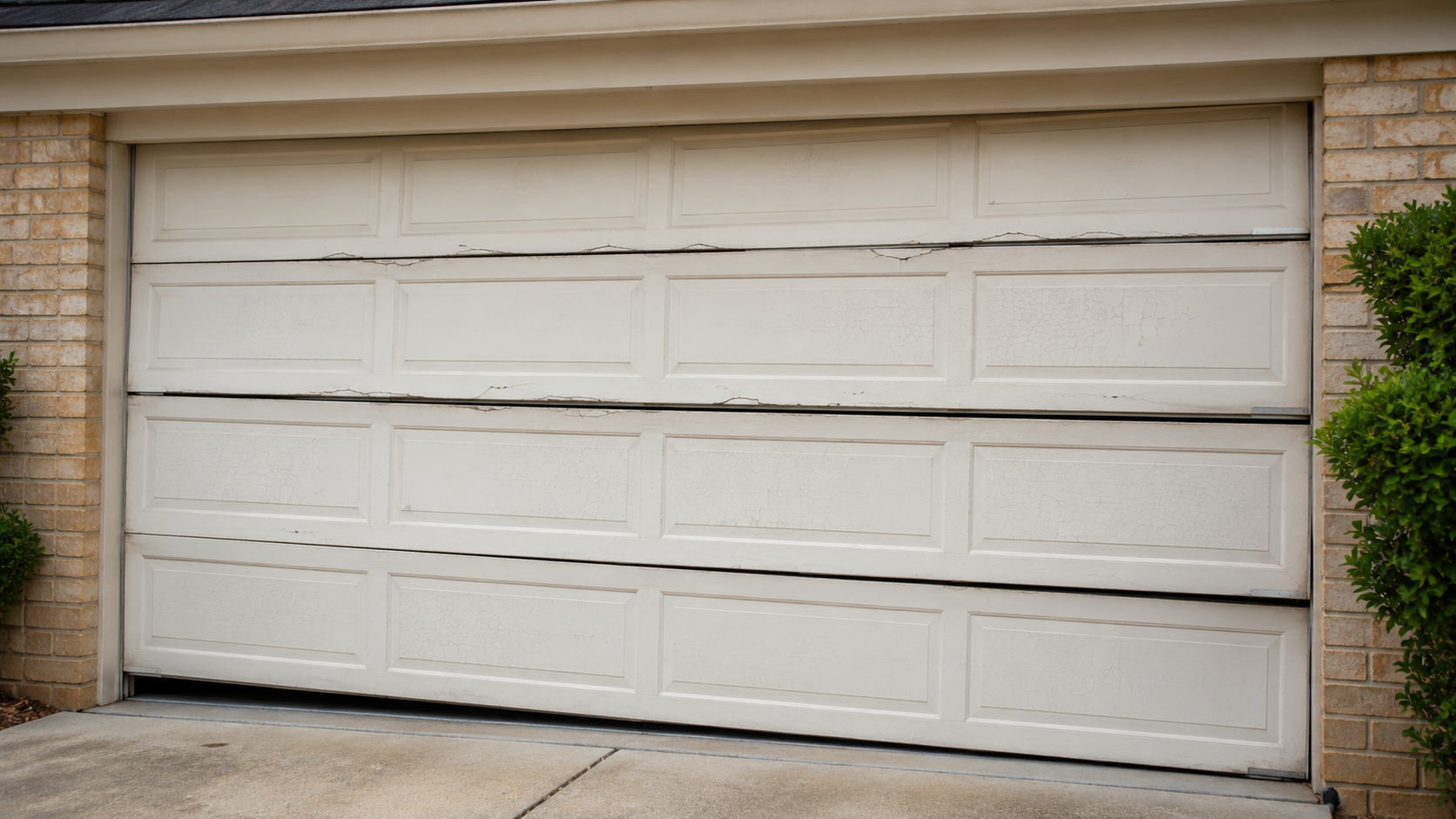
Cracks can allow moisture to enter, which may lead to rust, swelling, warping or further panel movement. Over time, this can affect how the door opens, closes and locks.
- Age and material fatigue
- Weather exposure
- Impact damage
- Rust or moisture damage
If the crack is small and only on the surface, a repair may be possible. However, if the panel is splitting, bending or weakening, replacement is often the safer long-term option.
Sagging or Uneven Sections
A garage door should sit level when closed. If one side is lower, the sections look uneven, or the door appears crooked, this can be a sign that the structure or lifting system is under stress.
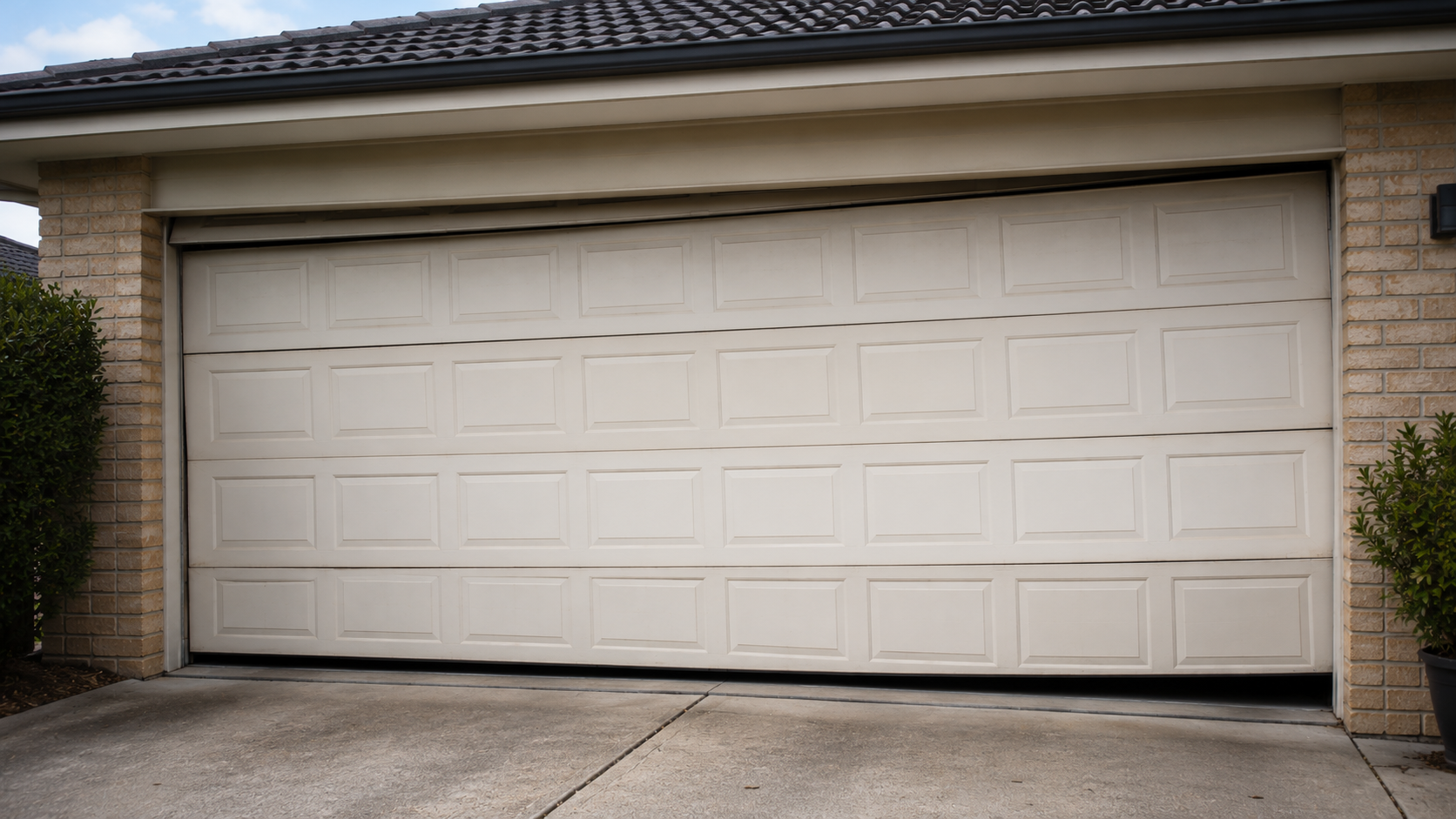
Sagging can happen when springs, cables, hinges, tracks or panels are worn. This issue should not be ignored because the door’s weight may no longer be properly supported.
- Broken or worn springs
- Frayed cables
- Misaligned tracks
- Failing support hardware
A sagging door can place extra strain on the opener and may increase the risk of the door jamming, dropping suddenly or coming off track.
Slow or Inconsistent Response
Your garage door should move smoothly and respond consistently. If it hesitates, jerks, stops halfway, reverses unexpectedly or takes longer than usual to open, the system may be wearing out.
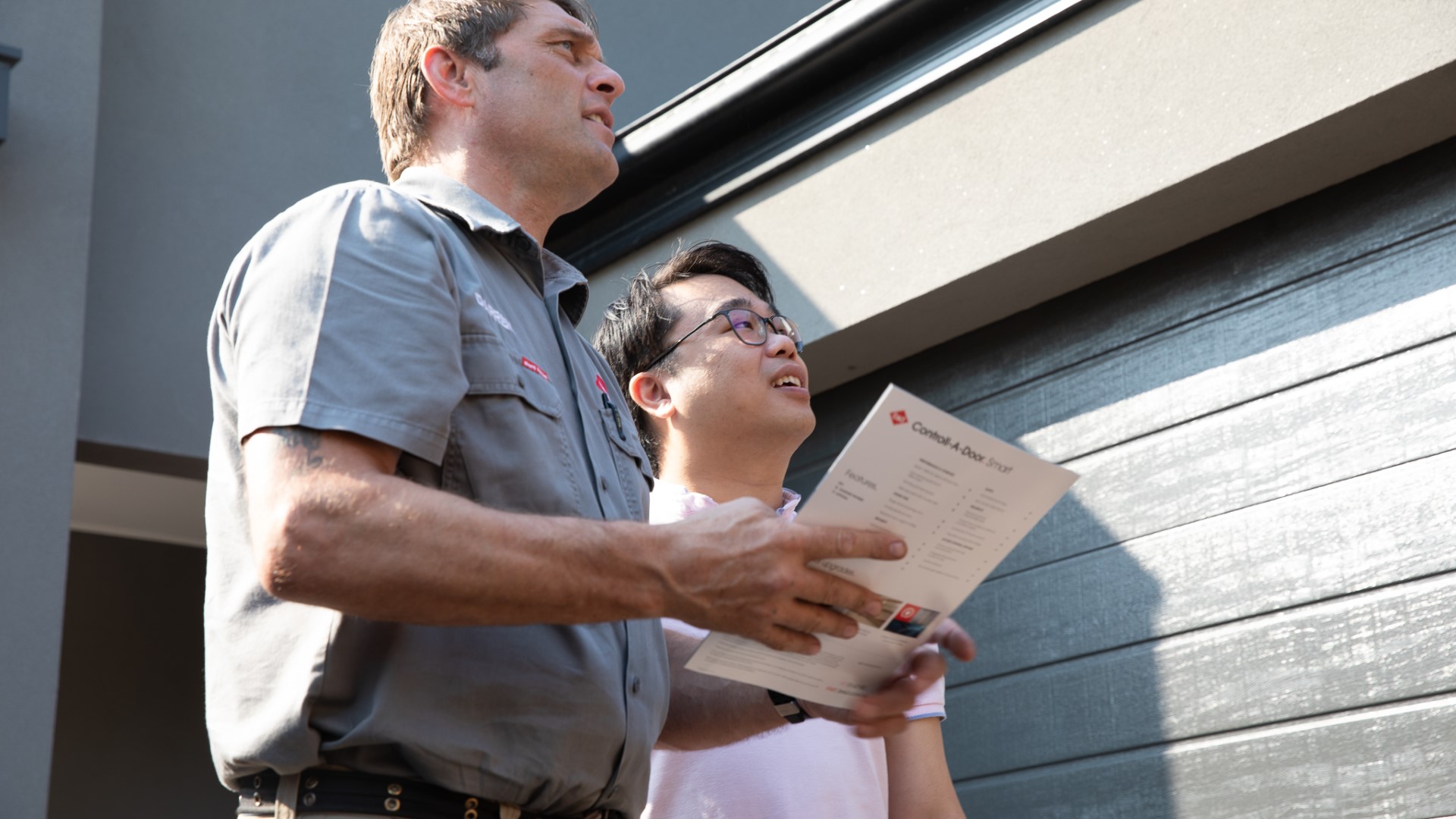
Slow movement can be caused by worn rollers, hinges, springs, tracks or an ageing opener. Sometimes the issue is simple, but repeated slow response usually means the door system needs professional attention.
- Worn rollers or hinges
- Ageing opener motor
- Track alignment issues
- Spring tension loss
If your door is already older and needs repeated repairs, replacement may provide better reliability and safety than continuing to patch individual parts.
Rust, Corrosion and Weather Damage
Garage doors are exposed to rain, wind, heat, cold and daily wear. Over time, this exposure can break down paint, metal, timber and hardware.
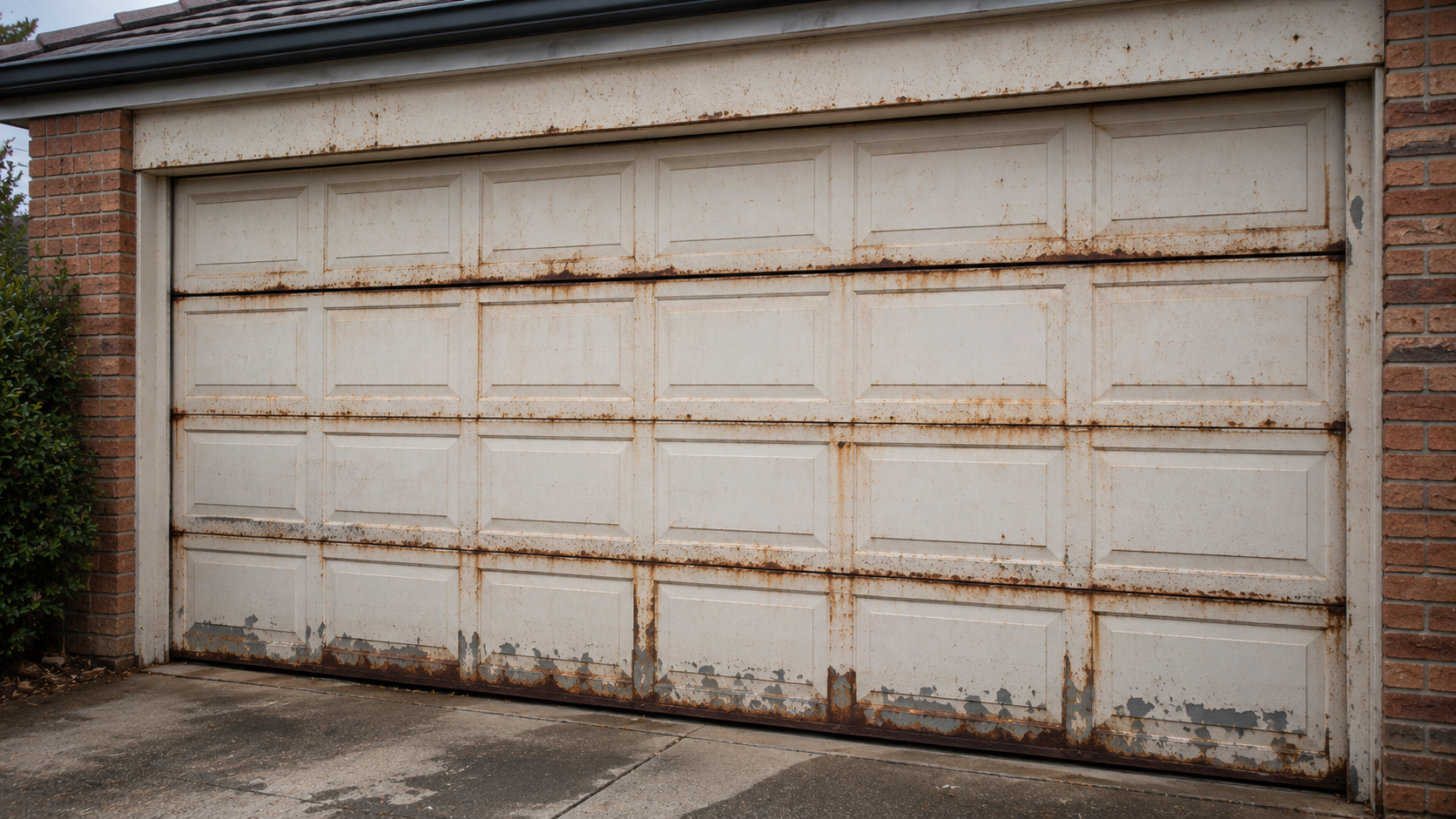
Rust is especially important to watch. Once corrosion spreads across panels, hinges, brackets or tracks, the strength of the door system may be affected. Repainting may improve appearance, but it will not restore weakened metal.
- Rust spreading along edges
- Corroded hinges or brackets
- Flaking paint over metal
- Weather-damaged panels
If rust or weather damage is widespread, replacing the door can be safer and more cost-effective than trying to repair multiple weakened areas.
Your Garage Door Is Over 10 Years Old
Age alone does not always mean your garage door needs replacing. But if your door is over 10 years old and already showing signs of wear, it may no longer provide the same level of safety, security and reliability as a modern door.
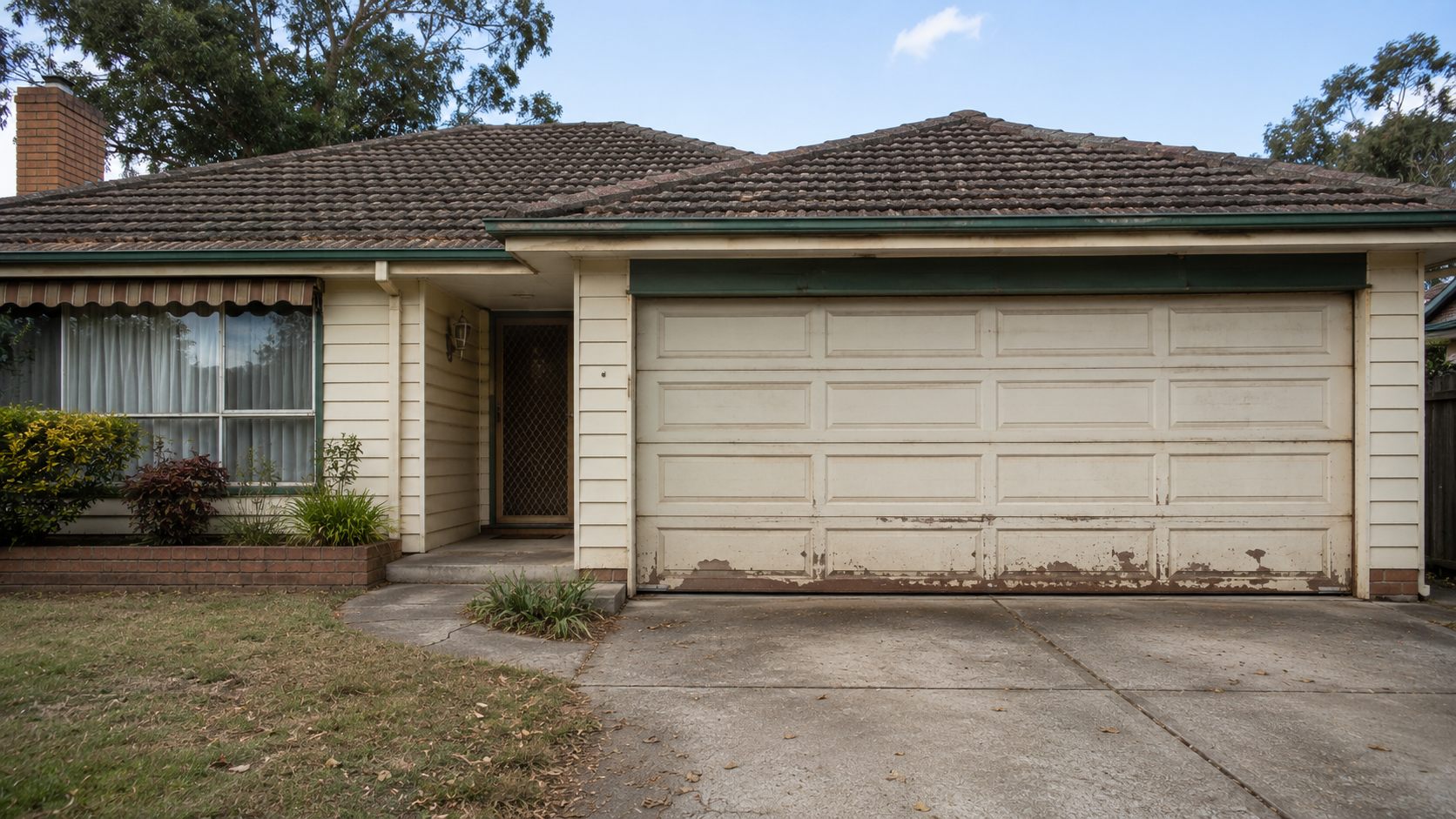
Modern garage doors are designed with improved materials, better hardware options and stronger compatibility with automatic openers. They can also improve your home’s street appeal and reduce the need for constant repairs.
- Outdated safety features
- Older spring and cable systems
- Reduced home security
- Repeated repair costs
If your older door has multiple warning signs, replacement is usually the safer long-term choice.
Why These Warning Signs Matter
A damaged garage door can put extra pressure on the entire system. When one component fails, the remaining parts may be forced to carry more weight than intended.
- Sudden panel, spring or cable failure
- Door falling off track or jamming
- Reduced home security
- Damage to vehicles or belongings
- Risk of injury to family members or pets
Repair or Replace: Which Is Better?
Some garage door issues can be repaired, especially if the door is newer and the damage is limited. However, replacement may be the better choice when the door is old, unsafe or repeatedly breaking down.
| Repair May Be Suitable When | Replacement May Be Better When |
|---|---|
| The issue is minor and isolated. | The door has multiple signs of wear or damage. |
| The door is relatively new. | The door is over 10 years old and unreliable. |
| The panels and frame are still structurally sound. | Panels are cracked, sagging, rusted or weakened. |
| The opener or hardware needs a simple adjustment. | Repairs are becoming frequent and costly. |
Not Sure If Your Garage Door Needs Replacing?
If your garage door is showing one or more of these signs, the safest next step is to book a professional assessment. A technician can check whether a repair is still worthwhile or whether replacement is the safer investment.
FAQs About Garage Door Replacement
How do I know if my garage door is unsafe?
Look for cracked panels, sagging sections, slow or jerky movement, rust, worn hardware, unusual noises and repeated breakdowns. If several of these signs are present, the door should be inspected.
Can a damaged garage door panel be repaired?
Minor surface damage can sometimes be repaired. However, if the panel is cracked, bent, rusted or structurally weak, replacement may be safer.
Is it worth replacing a garage door over 10 years old?
Yes, especially if it has ongoing issues. A new door can improve safety, security, reliability and street appeal while reducing repair costs.
Should I replace the opener at the same time?
If your opener is also old, noisy or unreliable, it may be worth upgrading it at the same time as the door for smoother operation and better safety.